
the hidden cost of leadership · executive coaching for leaders' families · leadership stress at home
The Quiet Strength Behind Every Leader
Leaders often shield their families from the emotional weight of the role, believing they're protecting them. In reality, this can create distance and isolation. Coaching helps leaders share what they're feeling, not confidential detail, so their partner stays connected without carrying the burden itself.
22 July 2026 · Axis Culture Group · 6 min read
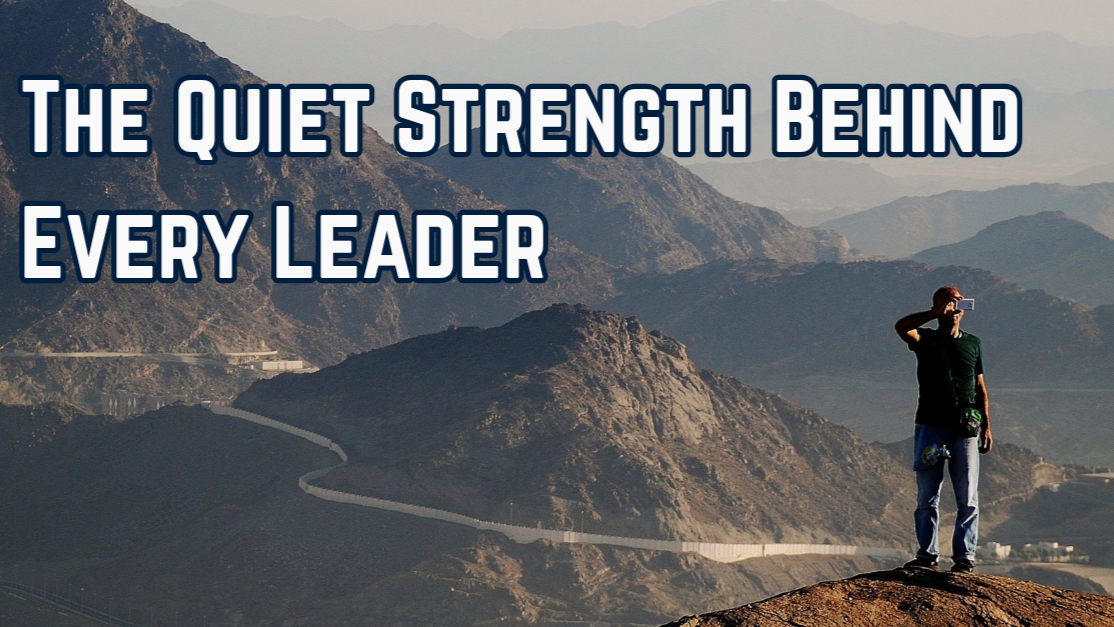
The quiet strength behind every leader.
Leadership doesn't end when the door closes. It's the people at home, listening, steadying, absorbing, who carry as much of the load as anyone in the boardroom.
We rarely talk about the people who hold leaders together. Not the mentors. Not the board. Not the executive team. The ones waiting at home when the door finally closes and the mask comes off.
Leadership can be a heavy load to carry, not just intellectually, but emotionally. It asks a person to absorb uncertainty, conflict, responsibility, and the quiet fear of getting it wrong. When leaders walk through the front door, they don't stop being human. They often carry the residue of the day with them: the tension in their shoulders, the unfinished conversations, the decisions that will ripple through other people's lives.
This is where spouses, partners, and families step in. Not with grand gestures, but with the small, steady acts that keep leaders upright: listening, noticing, grounding, and reminding them who they are beyond the role.
We underestimate this support because it is invisible. But it is foundational.
The emotional labour no one sees
A leader's spouse often becomes the quiet witness to the parts of leadership the world never sees. They hear the doubts whispered at 11pm. They sit with the silence after a difficult meeting. They talk through scenarios, not because they know the organisation, but because they know and care for the person. They absorb the frustration, the fear, the moral wrestling, and they do it out of love, not obligation.
This is emotional labour, and it is co-regulation. It is a partnership in its truest form: profoundly underestimated and hugely valuable.
"I don't need you to fix anything. I just need you to know today was heavy."
What one leader learned to say, in coaching
The true tension: share or shield?
Every leader faces a private dilemma: do I share what I'm carrying, or do I shield the people I love from it? There is no universal answer. But there are patterns, deeply human patterns, that shape how leaders navigate this.
How leaders navigate the load.
Shares to protect
Shields their partner completely, believing silence is protection. Over time this reads as distance, and the partner feels shut out of the part of life that matters most.
Shares everything
Processes life out loud, using their partner as sounding board and strategist. Trust runs deep, but the partner starts carrying stress over decisions they can't control.
Shares selectively
Shares enough to stay connected without making home an extension of the office. Talks about feelings, not confidential detail. Rarely natural. Always learned.
In coaching, the first leader realised that shielding wasn't protecting, it was isolating. He learned to share gently: not the organisational detail, but the emotional truth. It changed everything.
The second leader learned to share differently, to connect without transferring the weight. To say "I need to talk this through," instead of unconsciously handing over the burden.
The third pattern, sharing selectively, is the healthiest, and the one that takes the most intentional work. This leader shares dilemmas without outsourcing responsibility. They let their partner in, but they don't hand their partner the load.
How coaching helps leaders navigate this space
Coaching gives leaders a place to unpack what they carry before they bring it home. It helps them understand what they're feeling, what they're fearing, and what they're unconsciously transferring to the people they love.
It helps them build language that connects without overwhelming, recognise when they're venting versus when they're seeking support, and create boundaries that protect both themselves and their family. Most importantly, it helps leaders honour the relationship at home, not by shutting their partner out, and not by drowning them in detail, but by sharing with intention.
The wider lens
Family systems theory tells us that stress is never individual. It moves through the system. Attachment theory reminds us that secure relationships help us regulate under pressure. Organisational psychology shows that leaders with strong home support are more resilient, more grounded, and less likely to burn out.
- Stress moves through the whole family system, never just the individual
- Secure relationships help leaders regulate under pressure
- Strong home support builds resilience and reduces burnout risk
- Naming this dynamic is the first step to managing it well
"I value my spouse more than anyone else, as they listen, hold, support, and give me the honest truth as they know and see me."
Want to work with us on this?
Book a consultation